

Sepsis is a serious, life-threatening condition where every hour counts. Hospitals across the NHS already use the National Early Warning Score (NEWS2) to identify patients who are becoming seriously unwell. However, while NEWS2 tells clinicians that a patient is deteriorating, it cannot tell them whether sepsis is the cause.
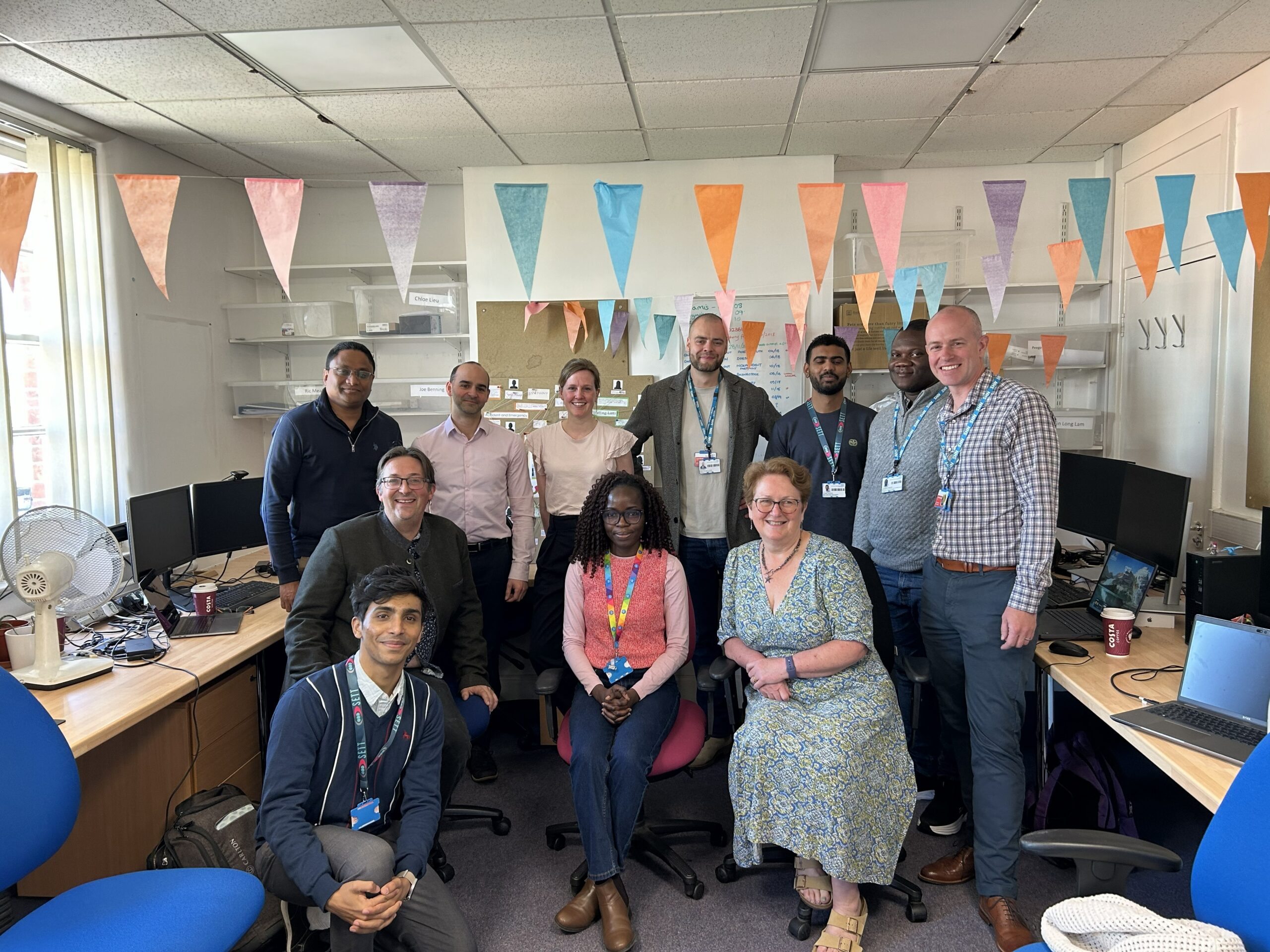
Researchers, clinicians and data specialists from University Hospital Southampton NHS Foundation Trust and Portsmouth Hospitals University NHS Trust recently came together for a collaborative Hack Day to launch GAP-S, an ambitious new research project, jointly funded by the NIHR Southampton Biomedical Research Centre and the Wessex Secure Data Environment.
GAP-S aims to develop a simple sepsis risk score using routine blood test results that are already taken when a patient’s NEWS2 score indicates deterioration. Rather than introducing new tests, the researchers hope to give clinicians an additional tool to identify patients who are most likely to have sepsis and need urgent treatment.
Using the Wessex SDE, the team will securely analyse routine hospital data from Southampton and Portsmouth to develop the new tool and then test it in two different NHS organisations. This multicentre approach will help ensure any future tool is robust enough for wider NHS use.
The Hack Day brought together clinicians, researchers and data scientists from both NHS Trusts to develop the project, share expertise and strengthen the partnership behind the study. It marks the beginning of a collaboration that has the potential to improve how sepsis is recognised while demonstrating how Secure Data Environments can support ambitious NHS research across organisational boundaries.
See the GAP-S study on the Wessex SDE Data Use Register here.